
At minus 20C, Geneva safeguards seeds from almost 800 threatened plant species
Geneva’s botanical garden holds a frozen reserve of Switzerland’s threatened flora. But keeping seeds cold is only part of the challenge: they must also grow again.
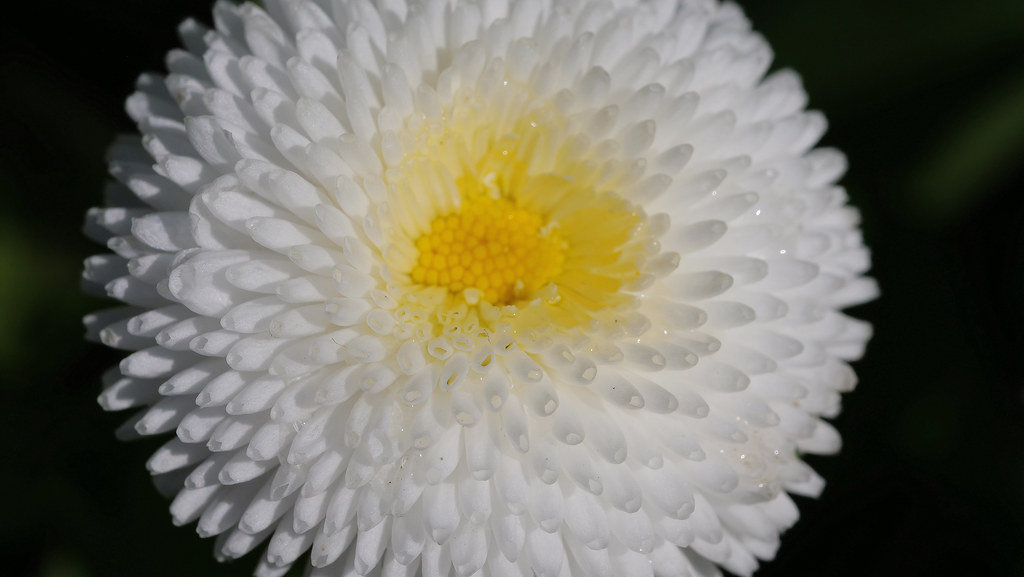
Seeds from almost 800 threatened plant species from across Switzerland are stored at minus 20C in Geneva’s botanical garden. The collection aims to ensure that the loss of the last wild specimens does not also eliminate every chance of saving a species. On Monday, 19 October, curator Andreas Ensslin described how demanding that work can be: only after several failed attempts did his team manage to grow around 50 specimens of a saxifrage species threatened with extinction in Switzerland.
At first glance, the small flower looks unremarkable. For the specialists, however, it embodies a central question in conservation: how can a plant be safeguarded for the future as it becomes increasingly rare in the wild? In Geneva, the answer involves more than collecting and freezing seeds. Understanding the conditions under which a stored seed can become a viable plant is equally important.
A frozen vault for Switzerland’s flora
Seeds have been collected for the Geneva seed bank for 25 years. The botanical garden now holds seeds from almost half of Switzerland’s threatened plant species. That represents a substantial reserve, but not yet comprehensive protection. Ensslin’s ambition is to preserve all the country’s threatened species in a seed bank.
Although based in Geneva, the collection serves a purpose far beyond the canton’s boundaries. Its seeds come from across Switzerland, making it a shared reserve for a flora whose natural habitats are under pressure. Expanding development and climate change are among the threats those habitats face.
A seed bank works differently from habitat conservation. It preserves plant material away from the place where it grows naturally, providing an additional safeguard if a wild population disappears. It cannot, however, replace the habitat itself. Soil, water conditions, climate and interactions with other living organisms cannot be packed into a freezer alongside the seeds. The collection preserves possibilities, rather than the entire environment a species needs.
Before freezing comes painstaking preparation
The process begins with collecting in the field. What subsequently arrives at the seed bank is not yet ready for long-term storage. First, the seeds must be extracted from the collected plant samples and carefully separated from other material. This requires precision well before freezing can begin.
Technical assistant Maya Wells cleans these samples, including material collected by a colleague the previous week. Her task has a clear purpose: only when nothing but seeds remains can they be counted accurately. This unobtrusive preparation is part of the foundation of a collection intended to support targeted conservation work in the future.
The seeds are then prepared for storage and dried. Removing moisture is essential to slow their ageing. Careful processing, drying and a low storage temperature together turn a fresh collection into a reserve for the years ahead. The frozen vault is therefore only the most visible part of a much longer procedure, rather than a solution in itself.
What matters is whether seeds germinate
The scientific work does not end when the seeds enter storage. Specialists also check their quality and investigate germination. To use them for conservation one day, they need to understand how to get each species growing. A neatly labelled, properly chilled sample cannot, on its own, answer that question.
The threatened saxifrage illustrates the difficulty particularly clearly. Ensslin described it as very challenging to cultivate. Several attempts failed, and the seeds germinated poorly. Eventually growing around 50 plants was therefore more than a welcome result in the garden. It provided practical experience of handling a species that is difficult to conserve, turning repeated attempts into knowledge that matters beyond the stored samples.
Ensslin would like to see this saxifrage flowering in the Jura one day. That aspiration does not come with a specific date or an announced planting project. Rather, it describes the direction of the work: the seeds are not meant simply to disappear into permanent cold storage. They are there to keep open the possibility of maintaining threatened plants as living species in the future.
A reserve, not a substitute for nature
For Switzerland, the stakes extend beyond rare flowers. Plants belong to ecological systems from which people also benefit. Ensslin points to pollination and the purification of water and air. Losing plant diversity therefore affects not only the beauty of a landscape but also the functioning of its habitats. Preserving that diversity has a significance that reaches beyond the botanical garden.
Geneva’s collection can buy time and preserve options for action. It does not remove the causes of species decline. Where suitable habitats disappear, or their conditions change substantially, protection in the wild remains indispensable. Seed banks and habitat conservation perform different, complementary tasks. Neither the scale of the frozen collection nor successful cultivation makes the work of protecting natural sites unnecessary.
The next major task is to close gaps in the collection and safeguard more of Switzerland’s threatened species. At the same time, knowledge of how their seeds germinate must continue to grow. The success with around 50 saxifrage plants shows why these two efforts belong together. Collecting preserves the material; learning how to grow it keeps its future use within reach. Only when the frozen reserve produces living plants again does its value for conservation become tangible.
Read next

Houthi missiles kill 53 as recruits assemble at training camp in Yemen
4′

Trump open to Ukraine summit with Putin and Xi – but without Zelensky
4′

Milan luxury boutiques stay shut amid fears of more violence as most arrested are minors
4′

Bellinzona approves CHF 14m fire station purchase – but planning hits a wall
4′

Swiss surveillance law falls short on rights. Who protects confidential conversations?
4′
Switzerland backed an end to the marriage tax penalty. Why is it voting again?
4′